In almost all cases in Minnesota, an injured employee is entitled to benefits regardless of who caused the accident without having to sue the employer. An injured employee can file an initiating document called a Claim Petition to recover benefits from the employer but cannot bring a traditional personal injury lawsuit against the employer. In Minnesota, the immediate instinct for many injured workers is to look toward the civil court system to hold an employer accountable. However, Minnesota operates under a legal framework governed by the "exclusive remedy" rule, which fundamentally alters how workplace injury claims are handled. While this system generally restricts the ability to sue an employer directly, it establishes a structured pathway to secure vital benefits, while leaving open specific, narrow exceptions for lawsuits. Understanding the boundaries of workers' compensation, the rare instances where an employer can be sued, and the potential for third-party liability may be important in the aftermath of a workplace accident.

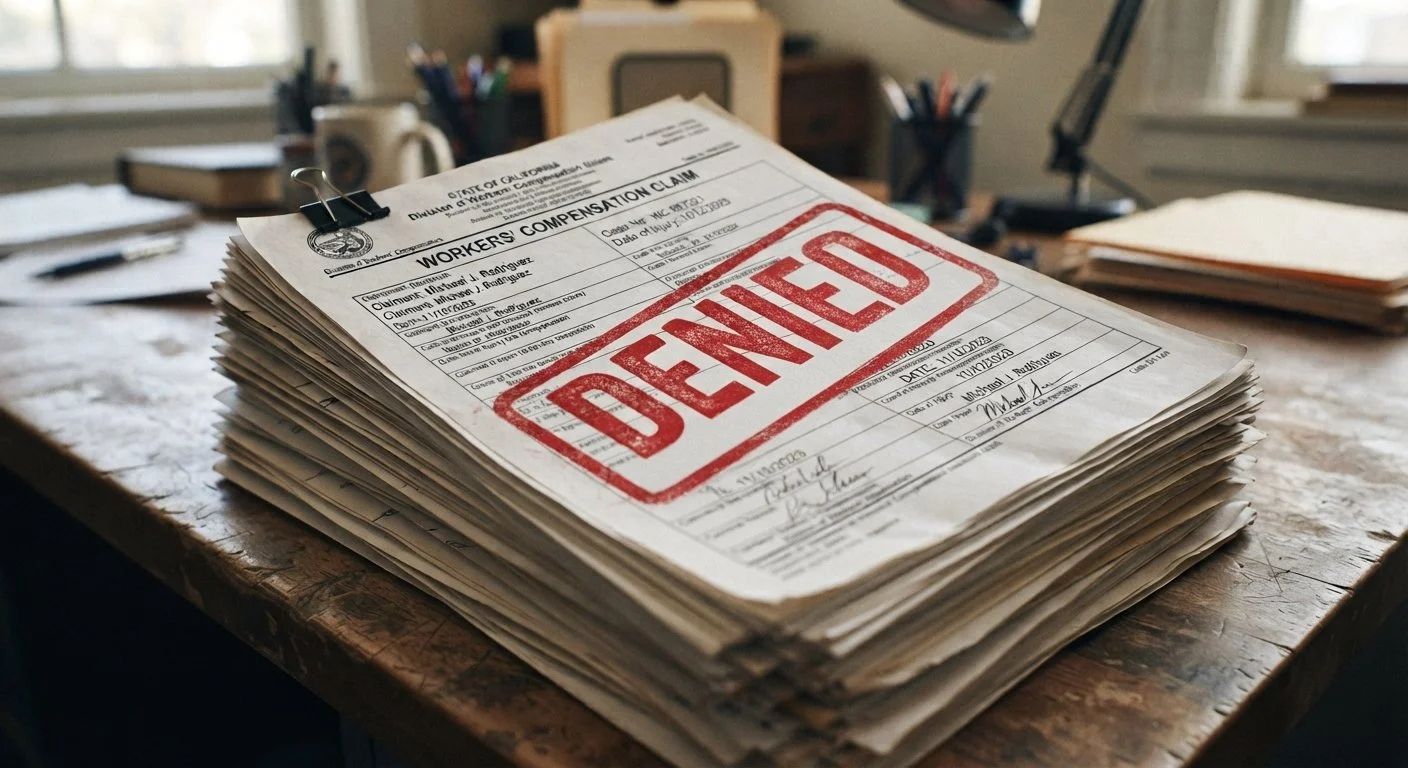
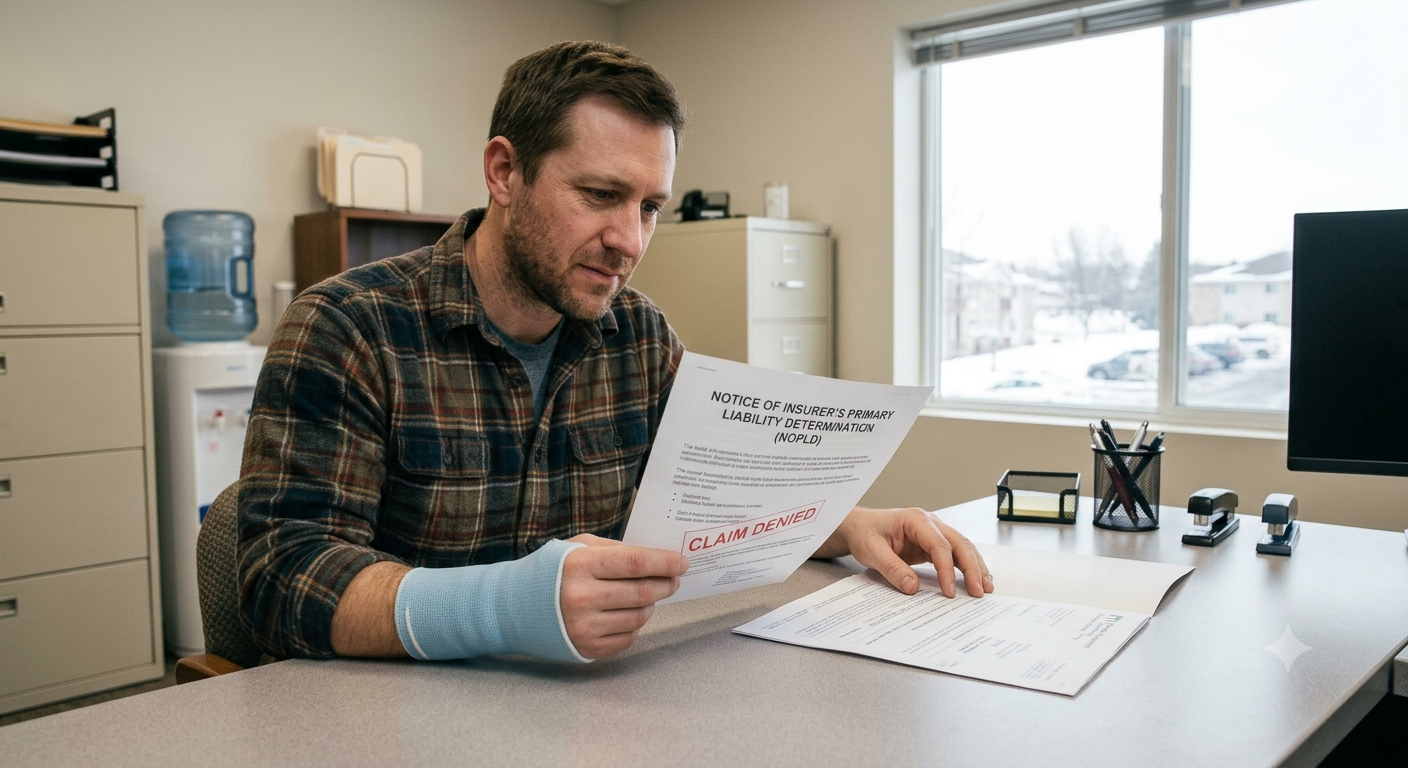
What if My Employer or Its Insurer Is Refusing to Pay Workers’ Compensation Benefits?
An employee can ask the Court of Administrative Hearings to order the employer and insurer to pay workers’ compensation benefits. The employee can file a claim petition, which will result in a hearing being scheduled with a workers’ compensation judge.
Exclusive Remedy
If a Minnesota employee sustains a work-related injury, the employer is legally responsible for the workers’ compensation benefits of that employee. However, the employer is only liable for workers’ compensation benefits and cannot be held liable to the employee for other types of damages to compensate for the injury.
There are some limited exceptions to that rule, or circumstances under which an employee can file a civil lawsuit against his or her employer for an injury:
· Intent or Gross Negligence: A Minnesota employee may be able to bring a civil lawsuit against a coworker where the coworker intentionally injures the employee or acts with willful disregard for the employee’s safety.
· Retaliation: The employer intentionally obstructs the employee from seeking workers’ compensation benefits or retaliates against the employee for seeking workers’ compensation benefits. See Minn. Stat. § 176.82 for more information about retaliation.
· Dual Capacity: The employer was in another capacity when it injured the employee. For example, a medical facility that injures a patient as a result of medical negligence may not be able to sidestep a lawsuit because it also employs that patient.
Workers’ Compensation Benefits
Workers' compensation benefits include wage loss benefits, medical benefits, rehabilitation, and permanent partial disability.
Wage loss benefits: Injured workers may be entitled to payment for time missed from work or reduced income caused by a work-related injury.
Medical benefits: Workers’ compensation covers medical treatment that is reasonable and necessary to cure or relieve the effects of a work-related injury.
Rehabilitation benefits: Injured workers may be entitled to assistance from a vocational professional, retraining, or other services to assist in the return to work.
Permanent partial disability benefits: The treating physician may assign a percentage rating that corresponds to a lump sum benefit paid to the injured worker.
Attorney Fees: In many instances, the employer and insurer can be made to pay for some or all of the employee’s attorney fees.
Funeral expenses, dependency benefits, and payment to estate: In the case of a work-related death, the Employer and Insurer are liable for funeral expenses and either dependency benefits, or a payment to the estate.
Third-Party Lawsuits
If a negligent third-party injures an employee, the negligent third-party may be liable to that employee for damages.
· Economic Damages: A negligent third-party can be held liable for loss of income, medical expenses, funeral and burial expenses.
· Non-Economic Damages: Courts or juries may determine a monetary amount that is intended to compensate for loss that is not financial. While the employee is not able to sue for pain and suffering or loss of companionship specifically, there are work comp benefits that pay for these specific losses.
· Punitive Damages: In some circumstances, courts or juries may award money damages in order to penalize a business and deter similar conduct by that business or others.
Some injuries may give rise to both a workers’ compensation claim and third-party liability. A negligent driver, for example, could cause a car accident and injure an employee that is driving for work. The employer would be liable to the employee for workers’ compensation benefits. The negligent driver would also be liable to that employee for damages.

What If My Employer Does Not Have Workers’ Compensation Insurance?
Every employer in the State of Minnesota is required to insure for workers’ compensation liability. If an employer does not do that, the Minnesota Special Compensation Fund will step in and act as the insurer to provide workers’ compensation benefits to the employee.
Conclusion
While Minnesota law heavily restricts direct civil lawsuits against employers through the exclusive remedy rule, it provides a comprehensive safety net via workers' compensation benefits to cover wage loss, medical care, and rehabilitation. Furthermore, injured parties are not entirely without legal avenues outside of this system; narrow exceptions like intentional employer misconduct, retaliation, or distinct third-party negligence open the door to broader economic and non-economic damages. Even when facing uninsured employers or disputed claims, state mechanisms like the special state fund and the Court of Administrative Hearings ensure that legal protections remain accessible. These overlapping systems effectively ensure that injured employees receive the full scope of financial and medical recovery to which they are legally entitled.
Frequently Asked Questions
-
Answer: No. Under Minnesota's "exclusive remedy" law, injured employees cannot sue their employers for non-economic damages like pain and suffering. In exchange, the workers' compensation system provides automatic medical and wage-loss benefits without requiring the worker to prove the employer was at fault.Description text goes here
-
Answer: An employee can only sue an employer in civil court under three narrow circumstances: if the employer intentionally and deliberately injured the worker, if the employer illegally retaliated against the worker for filing a claim, or if the injury occurred while the employer acted in a non-employer capacity (dual capacity). Gross negligence or standard safety violations do not qualify.Description text goes here
-
Answer: Yes. If a person or company other than the employer caused the injury—such as a negligent driver during a work trip or the manufacturer of a defective tool—the worker can file a third-party personal injury lawsuit to recover pain and suffering damages alongside the workers' compensation claim.Description text goes here
-
Answer: If an employer is illegally uninsured, the injured worker will still receive medical and wage-loss benefits. The Minnesota Special Compensation Fund steps in to act as the insurance provider and pay eligible claims, while the state pursues legal and financial penalties against the non-compliant employer.tem description
About the Author
Luke Smith is a Minnesota attorney that predominantly represents employees in workers’ compensation litigation. He graduated from Mitchell Hamline School of Law in 2016 and has been practicing workers’ compensation law since 2016. He has experience representing employers, insurance companies, and employees in workers’ compensation cases. A free consultation is available to Minnesota injured workers on request. Feel free to reach out with any questions about workers' compensation benefits.