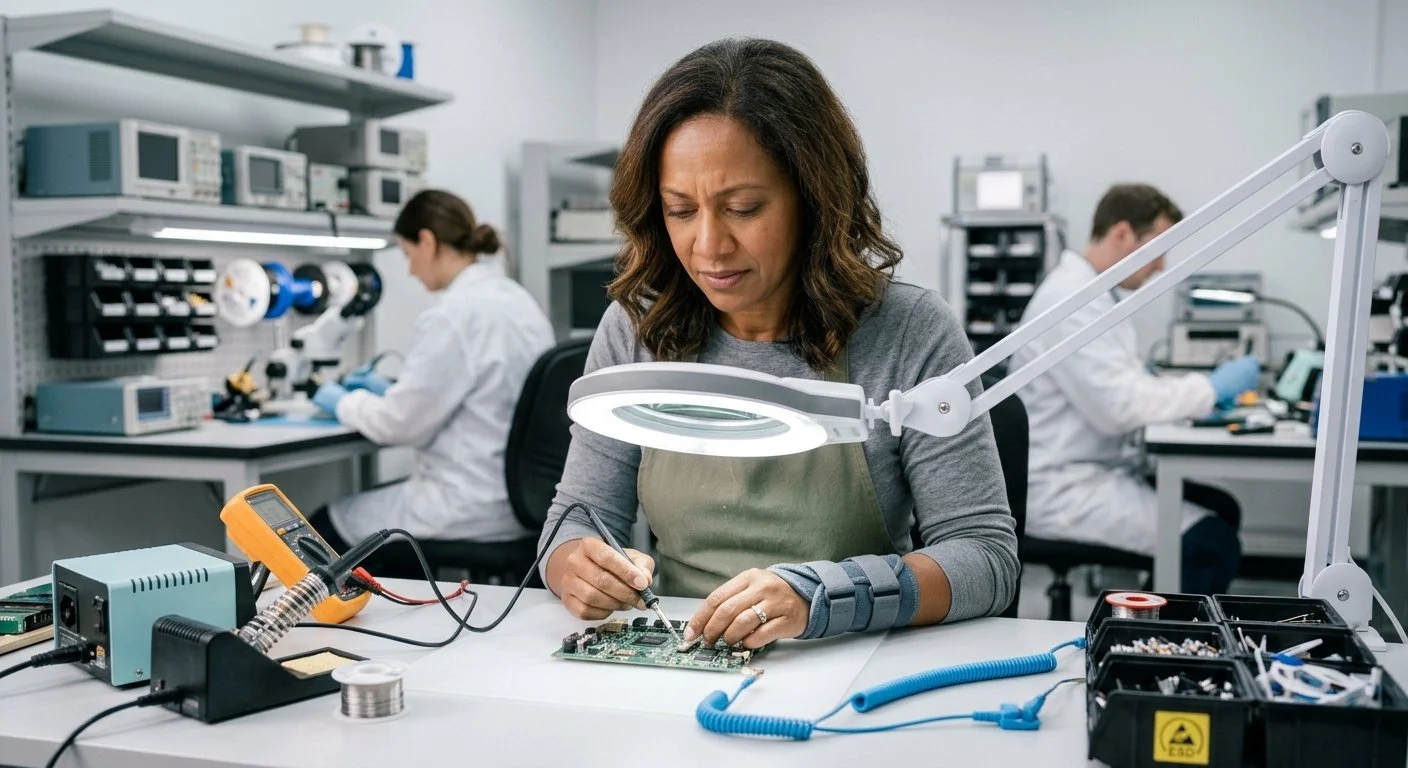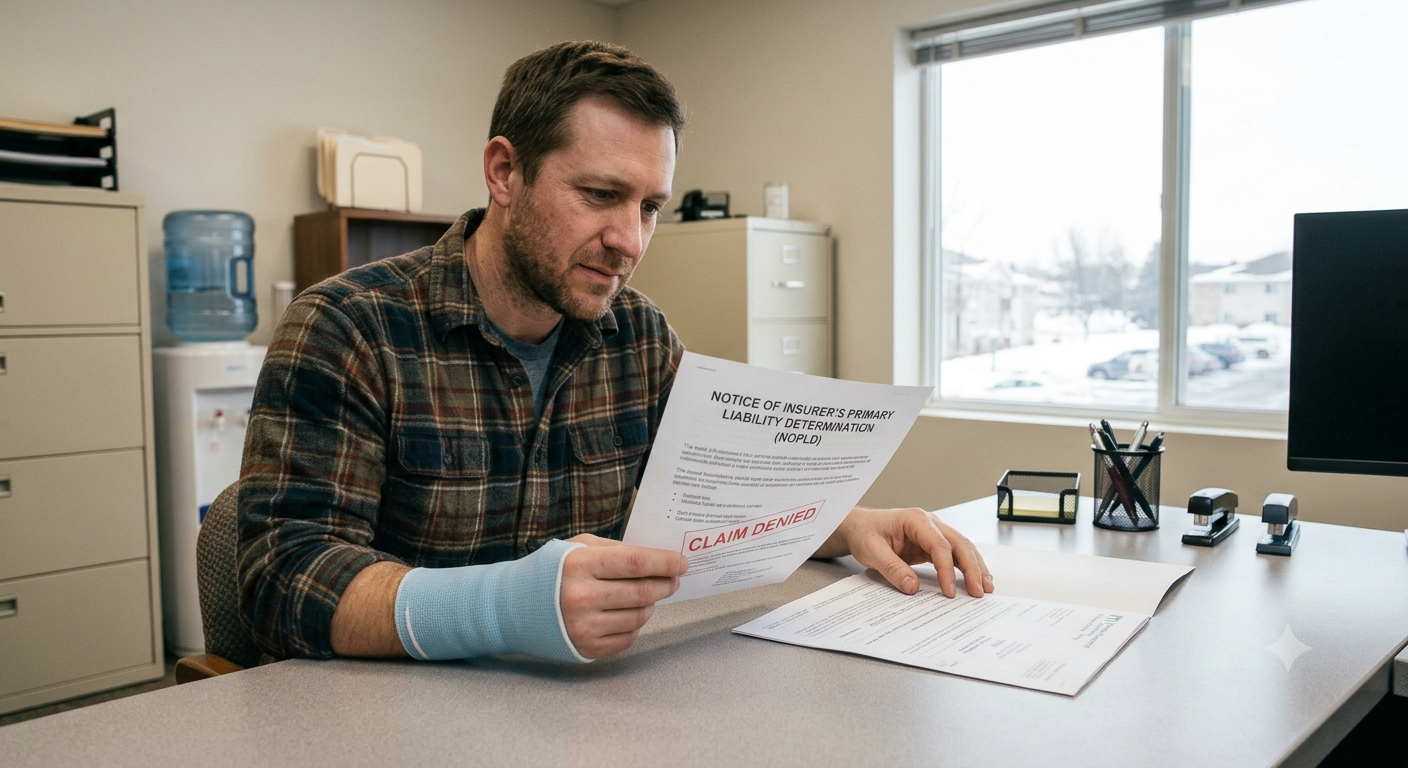
Carpal tunnel syndrome is one of the most common repetitive stress injuries affecting Minnesota workers across various industries—from office staff and assembly line operators to construction professionals and healthcare employees. Because symptoms typically develop gradually over time rather than from a single traumatic event, employees often wonder whether Minnesota workers' compensation covers this debilitating condition. In Minnesota, work-related carpal tunnel syndrome is indeed covered under workers' compensation laws when employment activities cause, contribute to, or substantially aggravate the condition. Establishing a successful claim, however, requires specific diagnostic evidence, a formal medical opinion, and a clear understanding of how insurance carriers evaluate repetitive motion injuries.
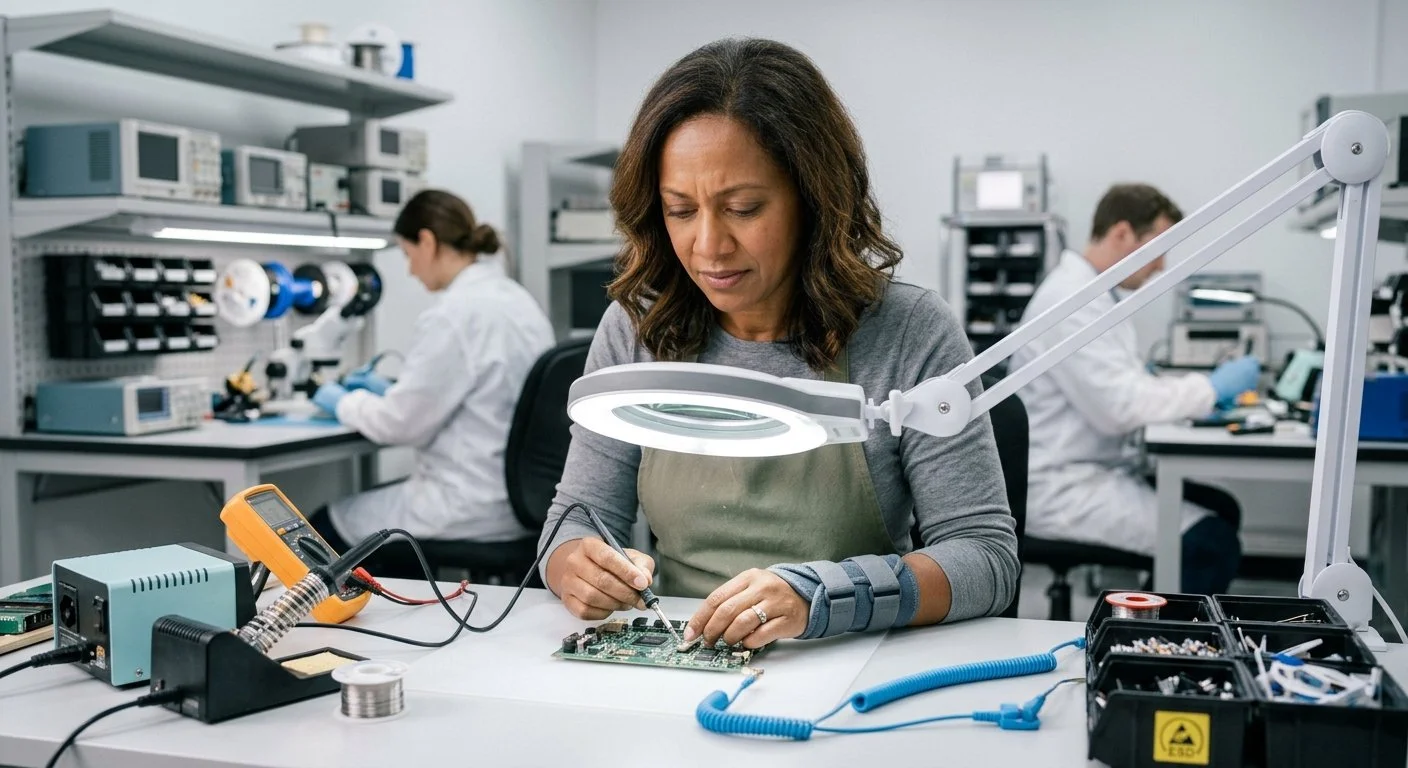
What Is Needed to Prove a Carpal Tunnel Claim:
Imaging: Typically, the treating physician would order a diagnostic test called an EMG.
Diagnosis: Carpal Tunnel Syndrome is often diagnosed on the basis that an abnormality in the EMG findings matches the location of the pain and tingling that the injured worker is experiencing. Occasionally, a physician might diagnosis carpal tunnel syndrome based on examination findings in the absence of an abnormal EMG.
Medical Causation Opinion: Whether work activities caused carpal tunnel syndrome is ultimately a medical question. For that reason, a letter from a doctor expressing the opinion that work activities caused carpal tunnel syndrome in this instance is necessary evidence to prove a carpal tunnel claim.
Workers Compensation Benefits for Carpal Tunnel Syndrome
A person that sustained carpal tunnel syndrome due to work activities may have claims for payment of wage loss benefits, medical benefits, rehabilitation benefits, and permanent partial disability.
Wage loss benefits: Injured workers may be entitled to payment for time missed from work or reduced income caused by a work-related injury.
Medical benefits: Workers’ compensation covers medical treatment that is reasonable and necessary to cure or relieve the effects of a work-related injury.
Rehabilitation benefits: Injured workers may be entitled to assistance from a vocational professional, retraining, or other services to assist in the return to work.
Permanent partial disability benefits: The treating physician may assign a percentage rating that corresponds to a lump sum benefit paid to the injured worker. If the pain and numbness associated with carpal tunnel resolves as a result of the treatment, then there is no permanency rating. If the symptoms persist after treatment and a repeat EMG remains abnormal, then there is a 3% permanency rating per wrist.
Attorney Fees: In many instances, the employer and insurer can be made to pay for some or all the employee’s attorney fees.
Why Carpal Tunnel Claims May Be Challenged
Workers’ insurance covers carpal tunnel if it is caused or worsened by work activities. Insurers may attempt to defend that claim by arguing that there is a different cause, or that the work activities are not the type that cause carpal tunnel.
Work-Activities: The argument that carpal tunnel is work-related is the strongest where the employee has been working for a long time, in the same job, that requires constant repeated flexing at the wrist. That argument is weakened where job duties are varied, or shorter duration, or do not require repeated flexing of the wrist.
Medical History: Insurers commonly argue that carpal tunnel syndrome is not work-related where other risk factors for carpal tunnel are present, such as age, tobacco use, high blood pressure, diabetes, or inflammatory conditions.
For those reasons, it is often helpful to collect accurate and complete information about the employee’s medical history and job duties in order to prove that the work activities caused carpal tunnel syndrome.
Conclusion
Carpal tunnel syndrome can lead to severe pain, numbness, and financial strain, but Minnesota workers' compensation laws provide critical protection for employees who contract this condition through job duties. From wage loss payments and medical coverage to vocational rehabilitation and permanent partial disability compensation, benefits are available under state law. Because insurance carriers frequently challenge carpal tunnel claims by pointing to personal health history or varied work tasks, compiling accurate medical records and detailing job duties is helpful. Consulting with an experienced Minnesota workers' compensation attorney can ensure that a claim is thoroughly prepared and that all statutory benefits are fully pursued.
About the Author
Luke Smith is a Minnesota attorney that predominantly represents employees in workers’ compensation litigation. He graduated from Mitchell Hamline School of Law in 2016 and has been practicing workers’ compensation law since 2016. He has experience representing employers, insurance companies, and employees in workers’ compensation cases. A free consultation is available to Minnesota injured workers on request. Feel free to reach out with any questions about workers' compensation benefits.
Frequently Asked Questions
-
Answer: : Yes, proving a carpal tunnel claim in Minnesota is often more difficult than proving a sudden accident injury. Because carpal tunnel develops gradually over time, insurance companies frequently dispute the claim by attributing symptoms to non-work risk factors (such as age or diabetes) or arguing that job duties are not repetitive enough to cause nerve damage.
-
Answer: No, in almost all cases, you cannot file a personal injury lawsuit against your employer for carpal tunnel. Under Minnesota's "exclusive remedy" rule, workers' compensation is your sole legal remedy. In exchange for not having to prove your employer was negligent or at fault, you receive guaranteed statutory benefits, but you lose the right to sue for civil damages like pain and suffering.
-
Answer: "Gillette injury" is Minnesota's legal term for a cumulative trauma or repetitive stress injury. Named after the landmark Minnesota Supreme Court case Gillette v. Harold, Inc., the doctrine establishes that repetitive micro-traumas caused by daily job duties—such as wrist flexing or typing—are legally compensable injuries even if they do not stem from a single traumatic accident.
-
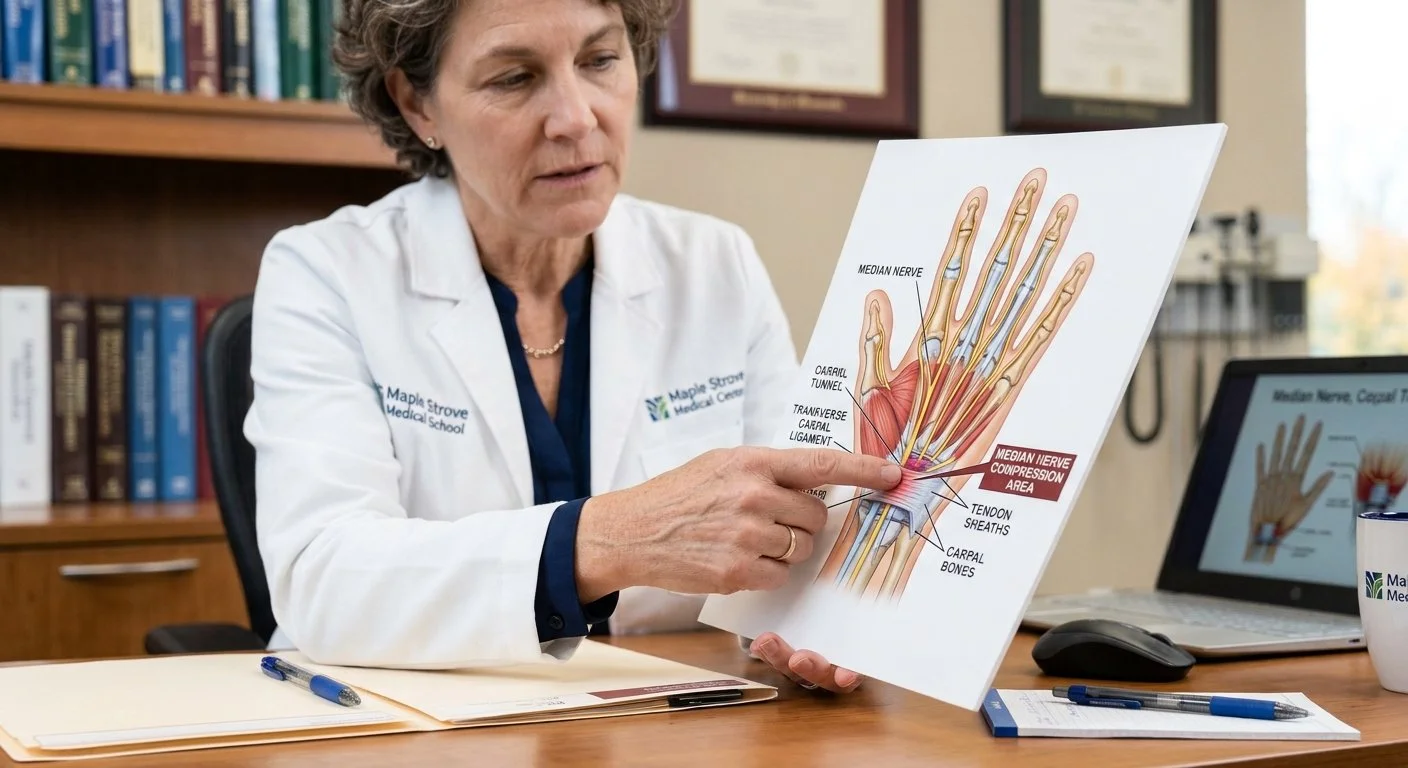
Under Minnesota guidelines, persistent carpal tunnel carries a 3% Permanent Partial Disability (PPD) rating per wrist. To qualify for this statutory lump-sum payment, your symptoms must persist following medical treatment and a repeat EMG test must continue to show abnormal median nerve compression. If symptoms fully resolve after treatment, no permanency rating is assigned.